
Introducing the new PV:1525!
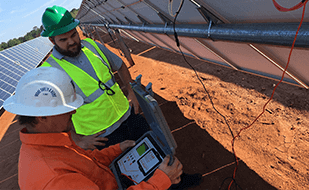
Power up your solar testing with our latest innovation. Designed for modern 1500V PV systems, the PV:1525 delivers fast, accurate and reliable performance for installers and technicians everywhere. Test with confidence and take your solar inspections to the next level!
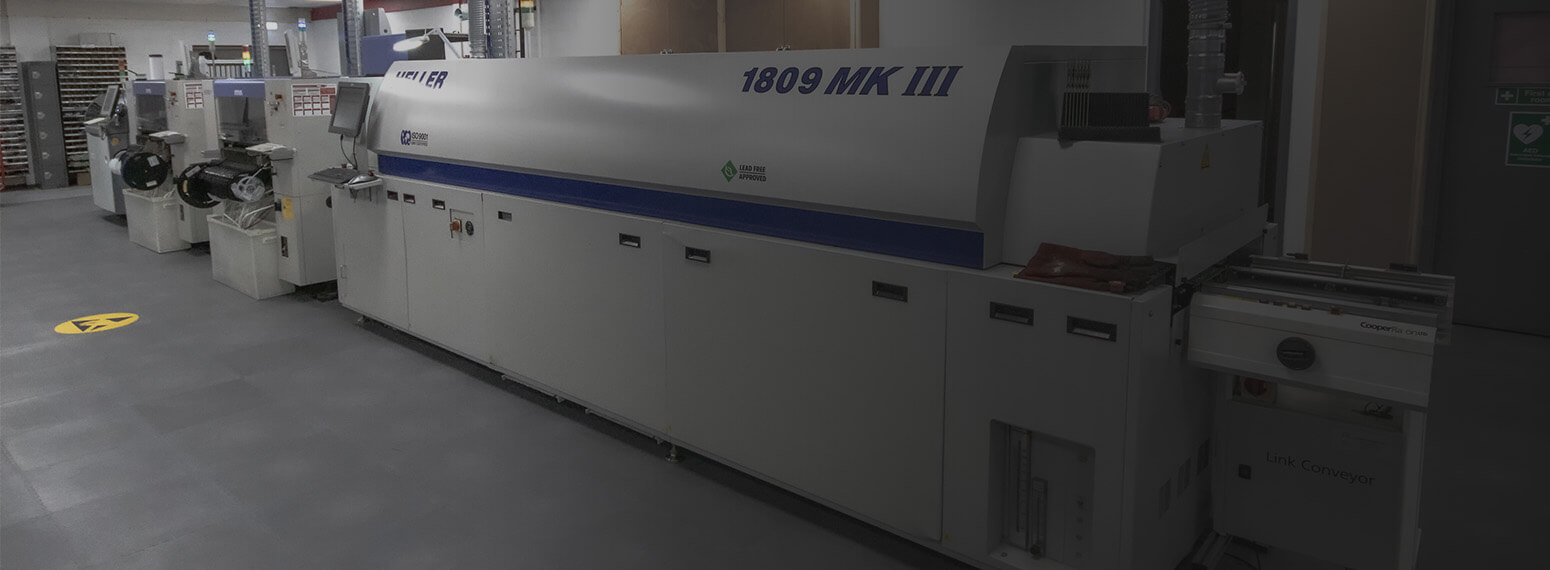
Trusted manufacturers of electrical safety test equipment
We’ve been helping to keep the world safe for over 44 years with our safety testers, designed and manufactured by us at our state-of-the-art facility here in the UK.
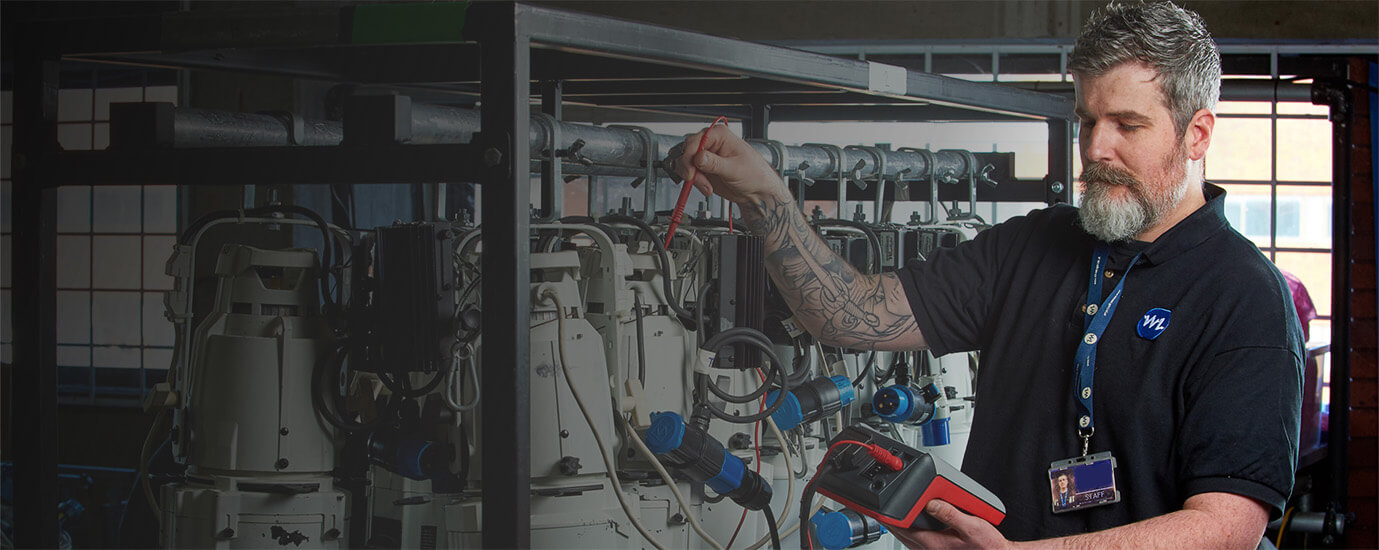
Leading the way in portable appliance testing
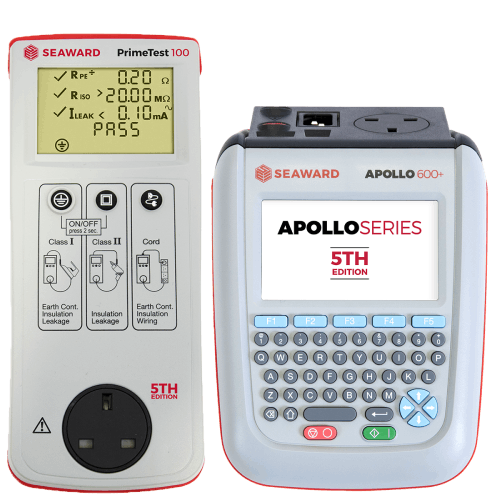
We have been designing and manufacturing PAT testing equipment for over 44 years and continue to innovate and bring the best solutions to the market to help make the world a safer place.
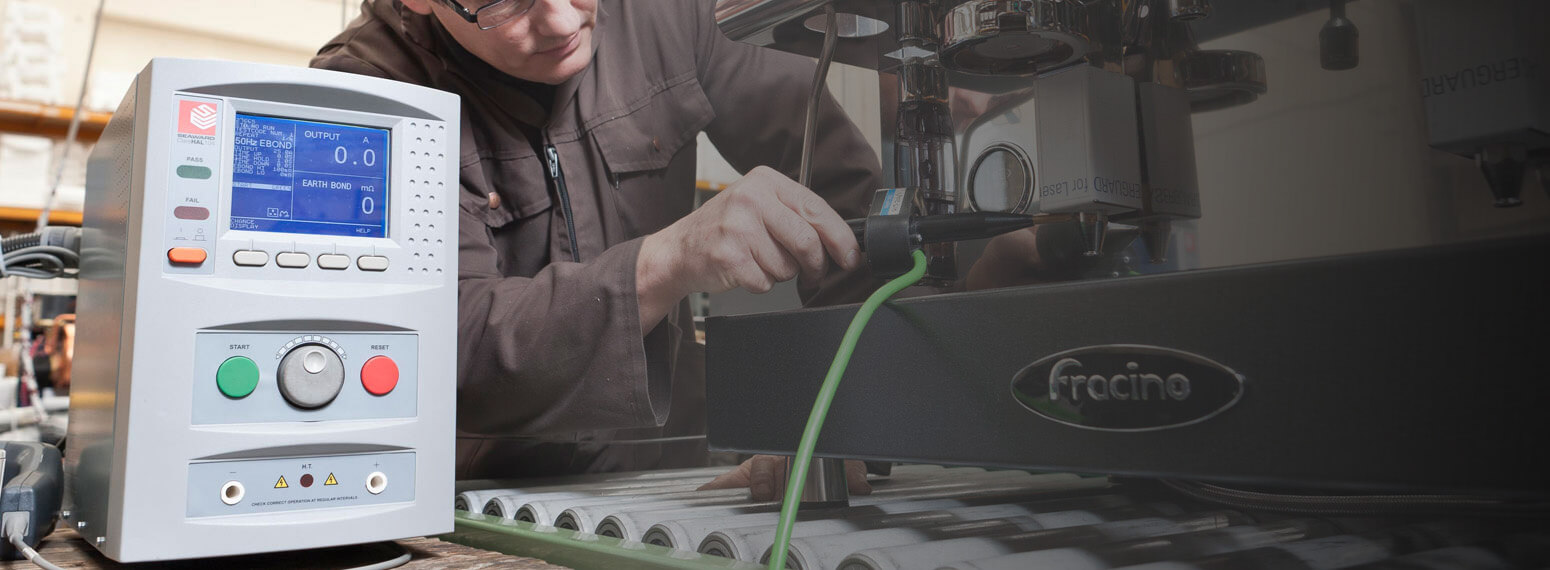
Manufacturing and production line safety testers
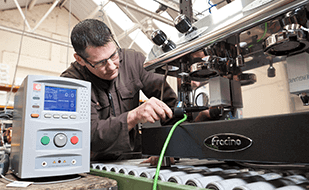
We have been helping manufacturers of electrical appliances ensure the safety of their products for over 35 years with our reliable safety testers manufactured by us, here in the UK.
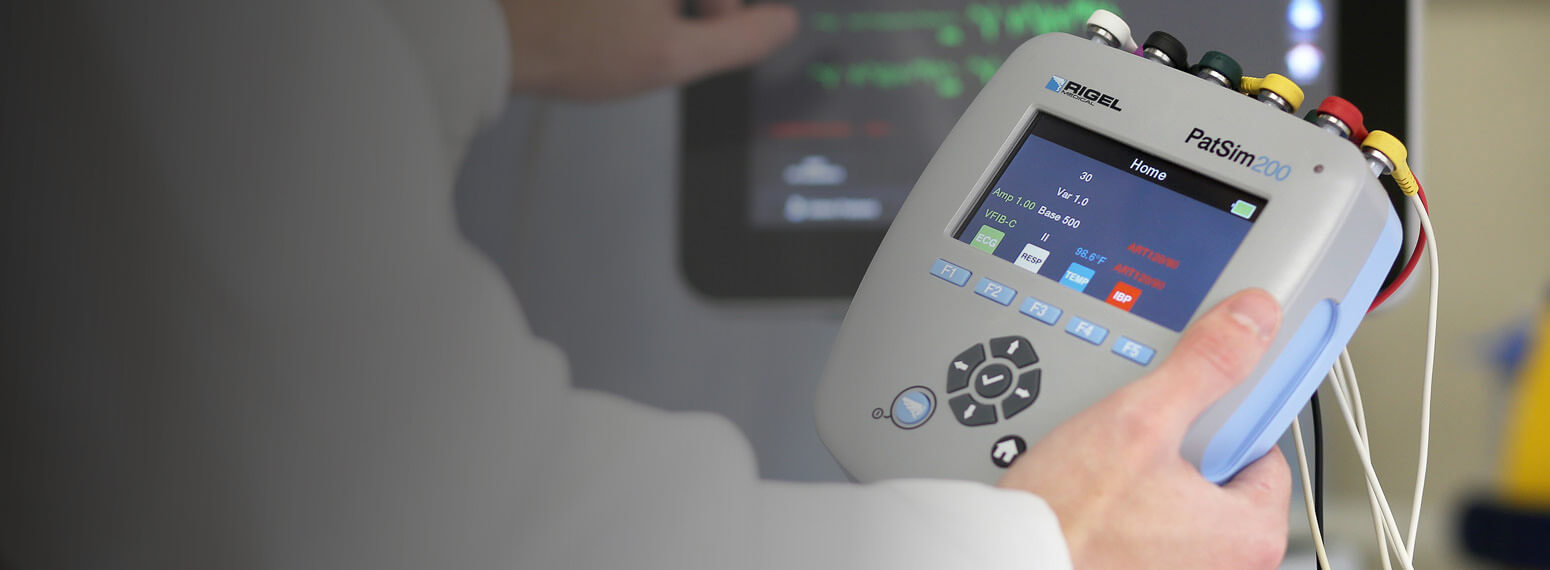
Medical Device Testing Equipment
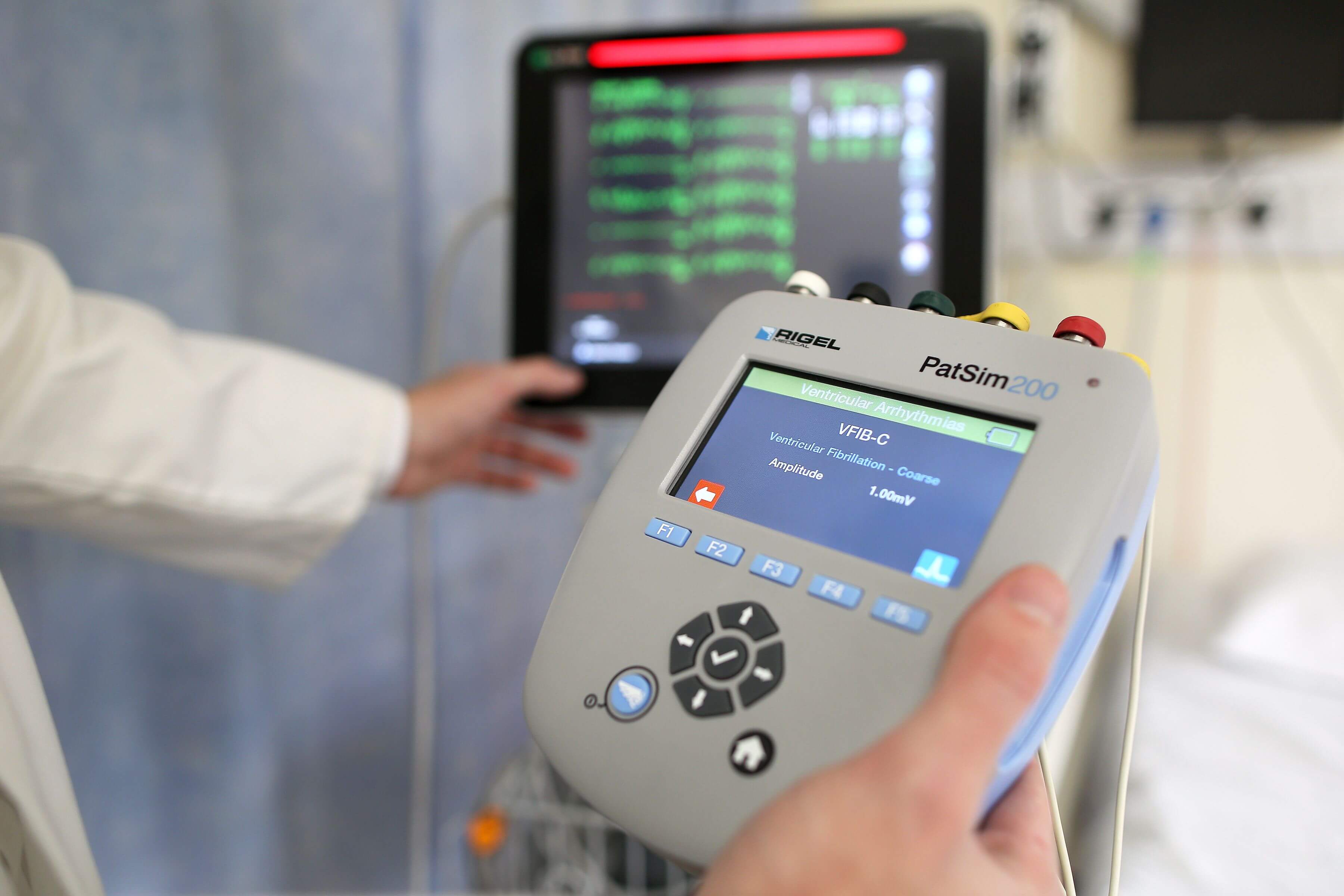
We manufacture and supply medical device testing equipment including electrical safety analyzers to patient simulators to healthcare professionals across the world. You can find all of our testing solutions on our dedicated Rigel Medical website.





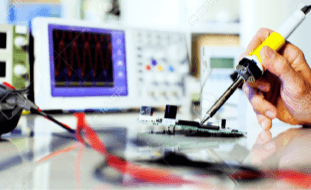

Find out about our upcoming events including exhibitions, webinars and workshops.
From trade shows and exhibitions showcasing our latest product innovations through to informative webinars covering legal obligations, best practice and more, our events programme is designed to keep you in the know.
Explore our support knowledge base
Whether you are looking for how to videos, the latest firmware, guidance booklets, or technical specifications you'll find it in our extensive knowledge base.
Most popular posts from the Knowledge Base...
I'd like to talk to a sales advisor
Our team of sales
advisors are on hand to help you with any
queries you have about our products.


Sign up to our Newsletter.
Stay up to date with the latest industry and product news, as well as our free educational content such as webinars and our expert guides.
Close